New Paragraph

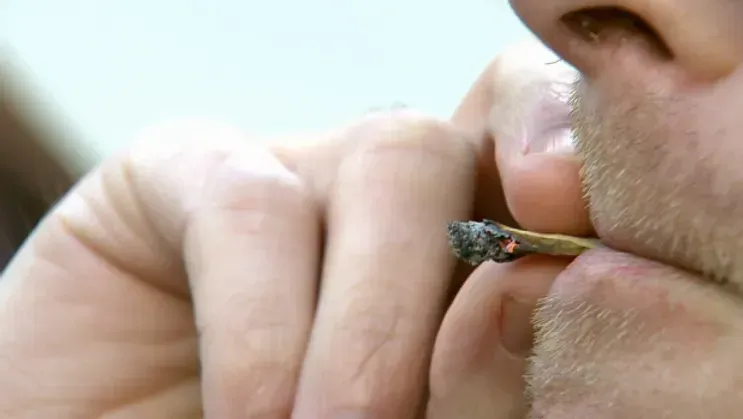
Should our cops be allowed to smoke pot?
October 25, 2018

I didn’t agree with the legalization of Canada’s marijuana legislation from inception. Although I supported “decriminalization” for small amounts, for a host of reasons I thought – and still maintain -- that legalization was a disaster from the get-go.


[October 5, 2015 Op-Ed: Decriminalization versus legalization of pot]


I believe that the vast majority of police leaders in this country felt the exact same way.


Despite law enforcement concern, legalization is upon us. Time and honest analysis will eventually determine who was on the right side of this experiment.


In the meantime, Canada’s police services, their leaders and their associations are struggling with related policy issues as to whether or not officers can use marijuana at all, and if so, how long before an officer’s tour of duty they are able to use the drug.


Policies vary from A to Z, with some services declaring a total prohibition for officers from using pot either on duty or off, to some ordering that officers cannot smoke or eat this stuff for time periods varying from 28 days to 24 hours prior to duty, to policy that they must simply report for work “fit for duty” (legally sober).


We all know it’s simply a matter of time before officer marijuana use becomes an issue in a police use of force investigation or during evidence presentation in legal proceedings, but those are bridges yet to be crossed. Having said that, prohibiting the use of a legal product by officers while off duty seems like a legal challenge waiting to happen. I do not see that position as reasonable, practical or defendable. But where should the line be drawn in terms of the use of pot by an officer and his/her eventual reporting for work to protect the public they are sworn to serve?


I’m not marijuana expert. I can’t quote research and stats about the long term effects of marijuana use on the human brain. But I do know what I have seen during my 61 years on this earth, including 36 years as a police officer. Marijuana does have both short and long term effects on its users.


Marijuana generally affects people differently than alcohol. Sadly many people suffer from the effects of long-term use of alcohol, including alcoholism. A number of people will disagree, but marijuana is addictive as well. Undoubtedly there are people walking and driving around this world in a complete fog as a result of their decades of marijuana use.


Many experts agree that the regular use of marijuana brings an increased risk of psychotic disorders, including hallucination and paranoia. A number of experts also agree that marijuana use by younger people increases the risk of them having a lower IQ later in life. These are but a few of what I believe are the commonsense arguments against the complete legalization of this drug. But I digress.


Expert opinions vary regarding the period of time that the consumption of pot will negatively affect work performance. In my perfect world, no law enforcement officer would use marijuana, ever. Ideally, no cop would drink alcohol; smoke cigarettes; eat fattening foods; have marital problems; face personal mental or physical health issues; or get PTSD. In that perfect world they wouldn’t have to risk their lives or get punched or spit on either. But that is not the world in which they live and work.


The reality of life is that police services hire human beings. “Robocop” was only a movie and police only use robots in extremely high-risk activities like bomb disposal.


For the most part, they also only recruit mature adults who are then highly trained and issued firearms and granted extraordinary powers – including the authority to take lives in specific situations.


Like it or not, our current elected government has made pot a legal consumable. From here on in, police leaders must treat its consumption by officers like they do alcohol. Cops can’t consume alcohol on duty except in special circumstances – like working undercover or when attending sanctioned events. They shouldn’t be allowed to smoke a joint at work either.


Officers must report for work being “fit for duty”. That includes not being impaired by alcohol or drug – prescription, over the counter and/or pot.


They can’t carry alcohol around with them in their pockets or briefcases at work or have it in their lockers. It makes total sense to similarly apply that rule to marijuana in the new legalized pot world in which we live.


As a related note, perhaps it’s time to revisit the implementation of random drug-testing on emergency services personnel. Unless legislation is passed, such a move by organizational leaders will undoubtedly result in bargaining group and contract negotiation challenges, but so be it.


Regardless, let’s keep the rules simple, reasonable and realistic. Then lets trust these adults to do what is right and subsequently deal with the few that don’t play by the rules – through due process.
By Chris Lewis June 6, 2026
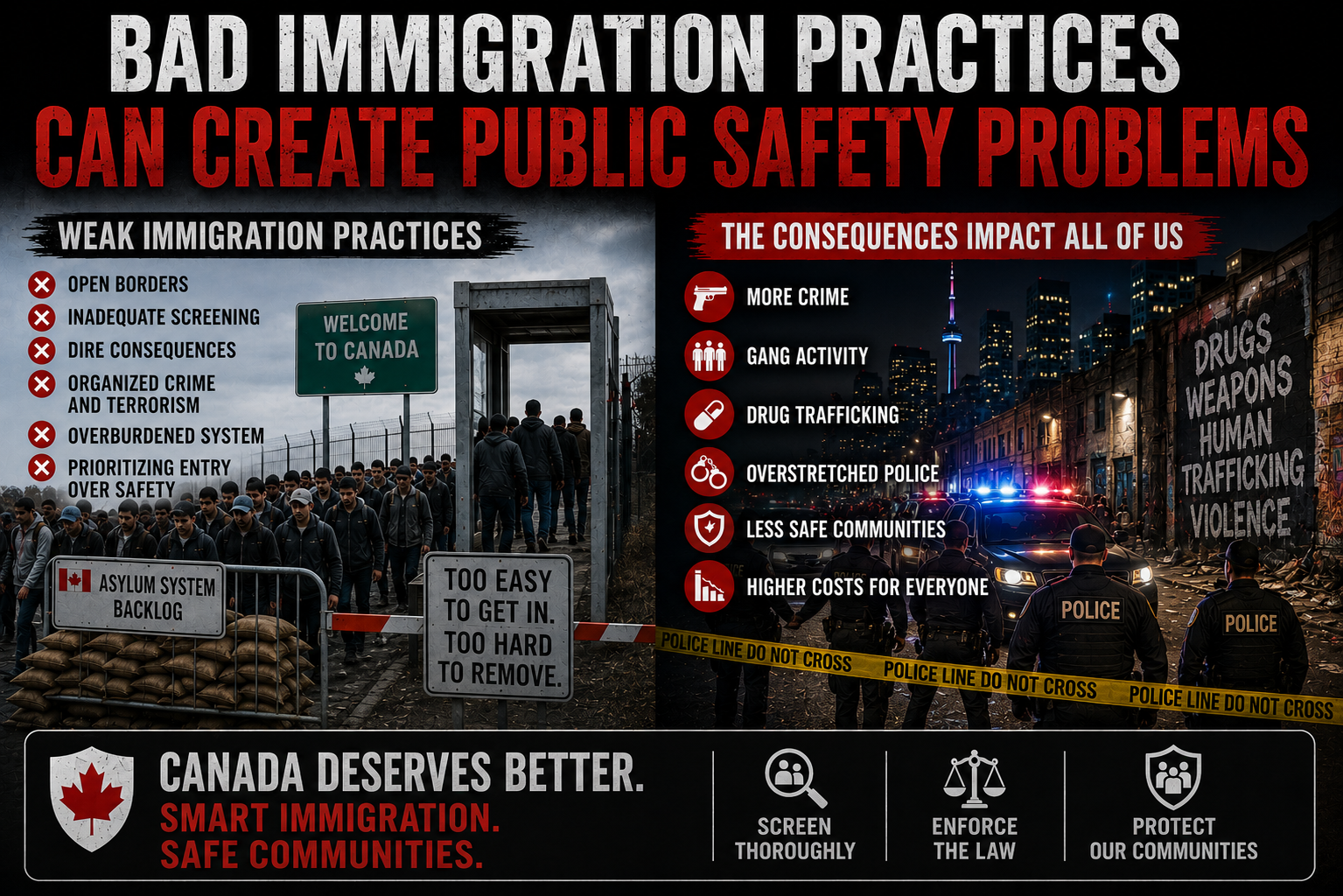
Police become the default response to bad immigration policy
By Chris Lewis March 28, 2026
Leadership is inundated with risk, every hour of every day, in all sectors. In policing, legislative authorities and established policy are the ever-present guideposts, but occasionally policy just doesn’t apply. At times someone has to just make a decision to do something, or not, or they will fail the public they serve and the personnel it is their duty to lead. If it goes bad, time to own up, do damage control, learn from it and move forward. It always frightened me when I saw some at the senior executive level in policing think that supervisors and managers operate in a pristine little bubble where nothing should ever go wrong. Then when it did because some supervisor tried their best to make something work for all the right reasons, they wanted to pigeon-hole the person that took the risk. There were times during my own career when executives were not encouraged to take any risk either. In fact, taking risk was career risk in itself. Despite the best of intentions, if it went bad, the one ‘responsible’ be forever labelled as having failed. Even if the gamble went well, the jaundiced eyes from above would still forever look at them as being a potential liability. It became the “Oh, him. He’s the one that...” At times the daily decision making of high-level commanders would be second-guessed by those in the executive suites – some of whom had never really commanded anything. My buddy retired Chief Wayne Frechette used to describe these folks as: “They’ve never been out after dark on company time.” I know this same concept was alive in many other police services. Some at executive levels actually did serve in operational roles at some point but they never took a risk. Somehow, they were fortunate to skate through difficult situations through sheer luck as opposed to good decision-making and never developed any scar tissue along the way. They didn’t learn from failure – they survived by luck. They also were viewed by weak executives above them as being golden because there was never a milli-second of negativity around them. They were Teflon. But those that worked under their “command” (for lack of a better word) had no respect for them. They simply watched them walk around with coffee in hand, never leaving the office or making a decision. It wasn’t leadership, but it did pave the way to stardom from on high, for some. True leaders do take risks at times. Many I worked with and for did it all and did it well. They did so in the best interests of those they served and those they led, because it wasn’t about themselves, but was done in the service of those that placed their trust in them. Policy simply doesn’t fit every situation. It is most often a guide that anticipates most circumstances that employees will face, particularly the more common (high-frequency) ones. But it cannot predict every possible scenario. When that happens in policing, it can occur in very unlikely situations (low-frequency) that are incredibly high-risk. Supervisors cannot say “Sorry folks, the book doesn’t cover this one” and run away crying. They also don’t have time to tell bad guys, “Hey big fella, sit tight. We need to take a pause here and get the whiteboard out so we can have a group-think about how to stop your murderous rampage.” I think that many pseudo-leaders – far too many, are afraid to make risky decisions out of fear that an error will jeopardize their career. Instead, they risk their careers by not making decisions. Or as I like to say: “their fear of career-risk, risks their careers.” This can be fatal in the policing world. When a police supervisor shirks their responsibilities or quivers, sucks their thumb, and prays for the situation to go away, thankfully constables will come forward and do their best to get their teammates through it. Sometimes that ends well and when the supervisor emerges from their fear-induced coma, they will more often than not take credit for the success. But when the situation goes to hell-in-a-handbasket – despite best efforts, the pseudo-leader will document the risk-taking employee and add another bullet-point to their list of things they’ve done to “hold people accountable.” The panel at their next promotional interview will likely hear the false rendition proudly told. I hear examples of this practise from serving police officers across North America on a much too frequent basis. True leaders develop a culture of trust among those they lead that their suggestions and feedback are encouraged and valued. Their confidence that the leader wants their input encourages them to constantly analyze situations and give thought to what policy says and the options available when policy says nothing. That is good for the employee’s development and may save the leader’s hind-end and the continuity of the team on occasion when an employee steps forward in a crisis. Having said that, there will clearly be situations where there isn’t time for the whiteboard, and a decision needs to be made by the responsible “leader.” When it doesn’t work out, the real leader will step forward and be accountable. But when it does go well, the true leader will allow the light to shine on the team they have the honour to lead. In my view, we’re not seeing enough of that in North American policing. We need more genuine leaders at all levels of law enforcement organizations. Developing and promoting real leaders that can manage risk effectively is a must. Anything less fails everyone.
By Chris Lewis March 26, 2026
They used to be simply a "nice to have."