New Paragraph

A LETTER SENT TO STAFF SERGEANT RICK FOLEY OF THE ONTARIO PROVINCIAL POLICE WELLNESS UNIT
March 12, 2019
St. Catharines Standard File Photo

*Letter shared with the permission of OPP Constable Pete Tucker


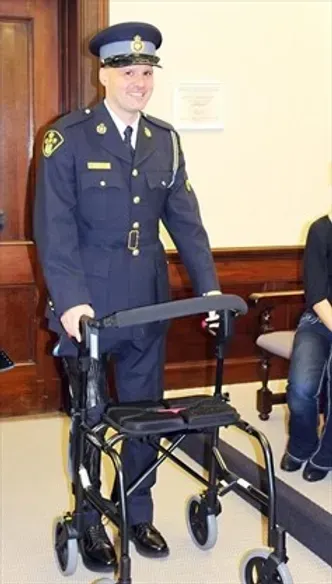
"Hi Rick.  As my friend and a member of the OPP health and wellness team, I wanted to reach out to you and express my thoughts on a recent TV show by the 5th Estate I just watched called "Officer Down".  I found the episode to be very inaccurate, one sided and biased towards the OPP.  While I feel compassion for those who have reached such a destructive mental state that they harm themselves (and their families) by committing suicide, I don't believe the OPP offers NO help before reaching this point. I do not believe the OPP isolates or bullies their officers.  I do not believe the OPP has an attitude of "Hear no mental illness, see no mental illness".  I have never suffered from suicidal thoughts or PTSD but I have been severely stressed, both mentally and physically by injuries I have suffered on the job as the result of an accident.  When I speak publicly of the OPP I do not blame them for the cause of my accident, in my case a motorcycle accident.  I do not blame them for the scenario that put me in the situation where I got hurt, the equipment they provided me to do the job or the leadership that was in charge of me that day.


I found the OPP's support through four months of hospital stays to be tremendous.  I never felt alone.  I never felt forgotten.  The OPP provided counseling to my wife and 4 children to help them cope with our tragedy.  This help was not asked for, it was provided, no questions asked, by the OPP.  The OPP never asked me to return to work, I wanted to.  Unlike the TV show which stated front line police work is stressful and fosters mental issues and work place bullying/harassment, I found the opposite. For me, the OPP allowing me to return to front line duties is something I wanted.  Nobody in the OPP made me do it.  In fact, the OPP made me jump through so many hoops (mental, physical, physiological) before allowing me to return to front line duties, it drove me crazy at times.  All I wanted to do was get back to being who I was before the accident, a cop.  The OPP just wanted to make sure I was safe, prepared and ready.  I was never pushed.


Being a member of the OPP and returning to the only job I have ever known as an adult is one of the main reasons I feel I am successful today.  The OPP has provided my family and I a life which allows us to achieve or dreams and financial goals.   I do not feel the public received an accurate portrayal about how well the OPP takes care of its officers.  I have NO complaints, only gratitude.  One day I will retire.  It will be a happy and sad day at the same time.  It will be well deserved but the end of a chapter of my life I really enjoyed.  Considering I was offered a WSIB pension and the opportunity to retire early but I still choose to return to work (Front line duties by CHOICE), it proves I must really like my job and feel valued.  I will never "burn" my uniform when I retire but keep it as a memory of a great time in my life.


 I write this so you understand that the OPP, yourself and our health and wellness team, do not do meaningless work.  You have not failed us all.  I am a success that you have had and should be happy about.  I am grateful and you should be proud.  If we are open to negative comments and complaints from those who feel betrayed by the OPP, we should also be open to praise and respect from those who feel the OPP stood up and took care of them, mentally and physically in their greatest times of need."


PC Pete Tucker.


Note: Pete Tucker was seriously injured in an on-duty police motorcycle crash on Highway 400 near Barrie in 2014. His leg was subsequently amputated, however due to his incredible strength and resilience, and with the support of his family, friends, colleagues and the medical community, he returned to full police duties in the Niagara Falls OPP Detachment.
By Chris Lewis June 6, 2026
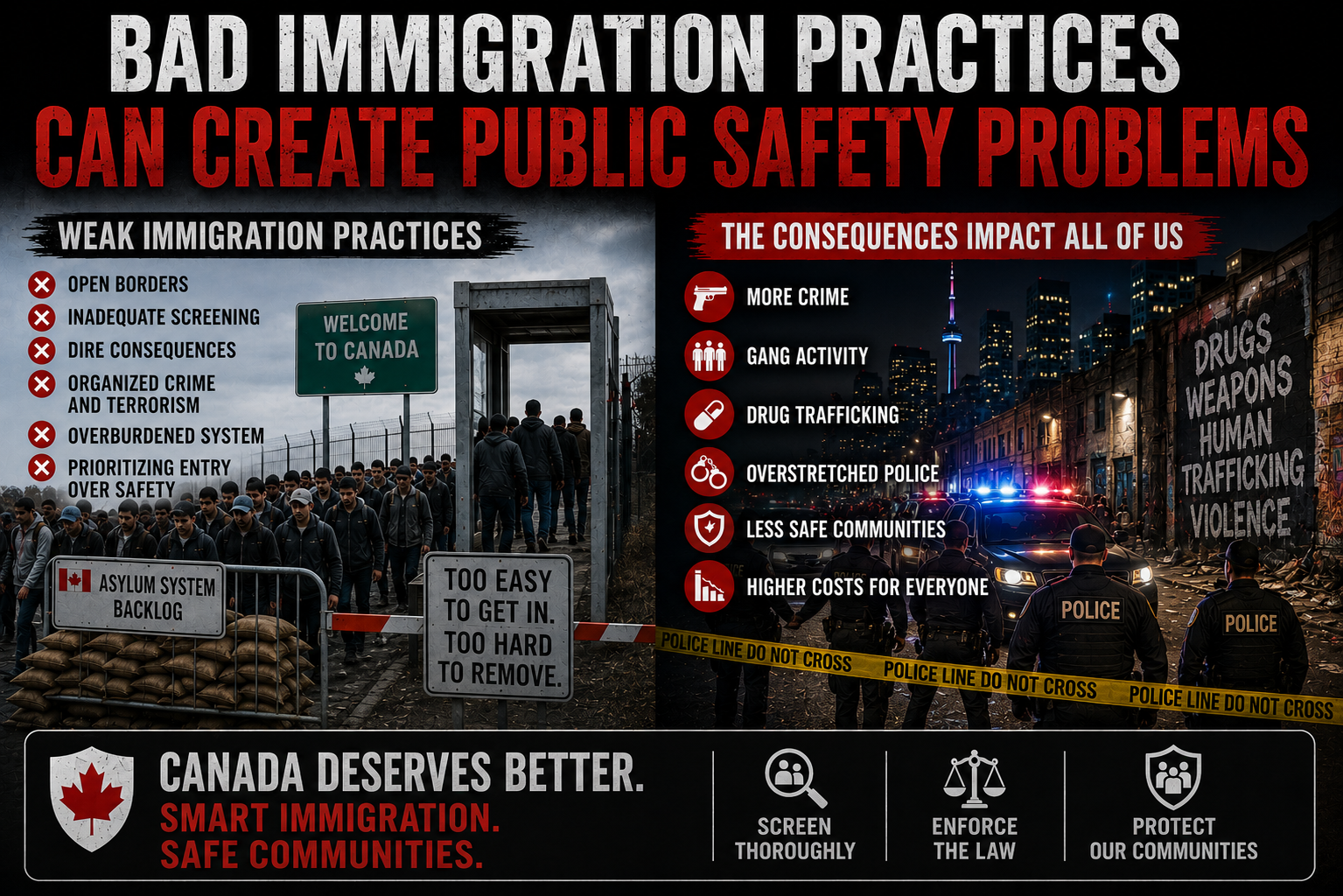
Police become the default response to bad immigration policy
By Chris Lewis March 28, 2026
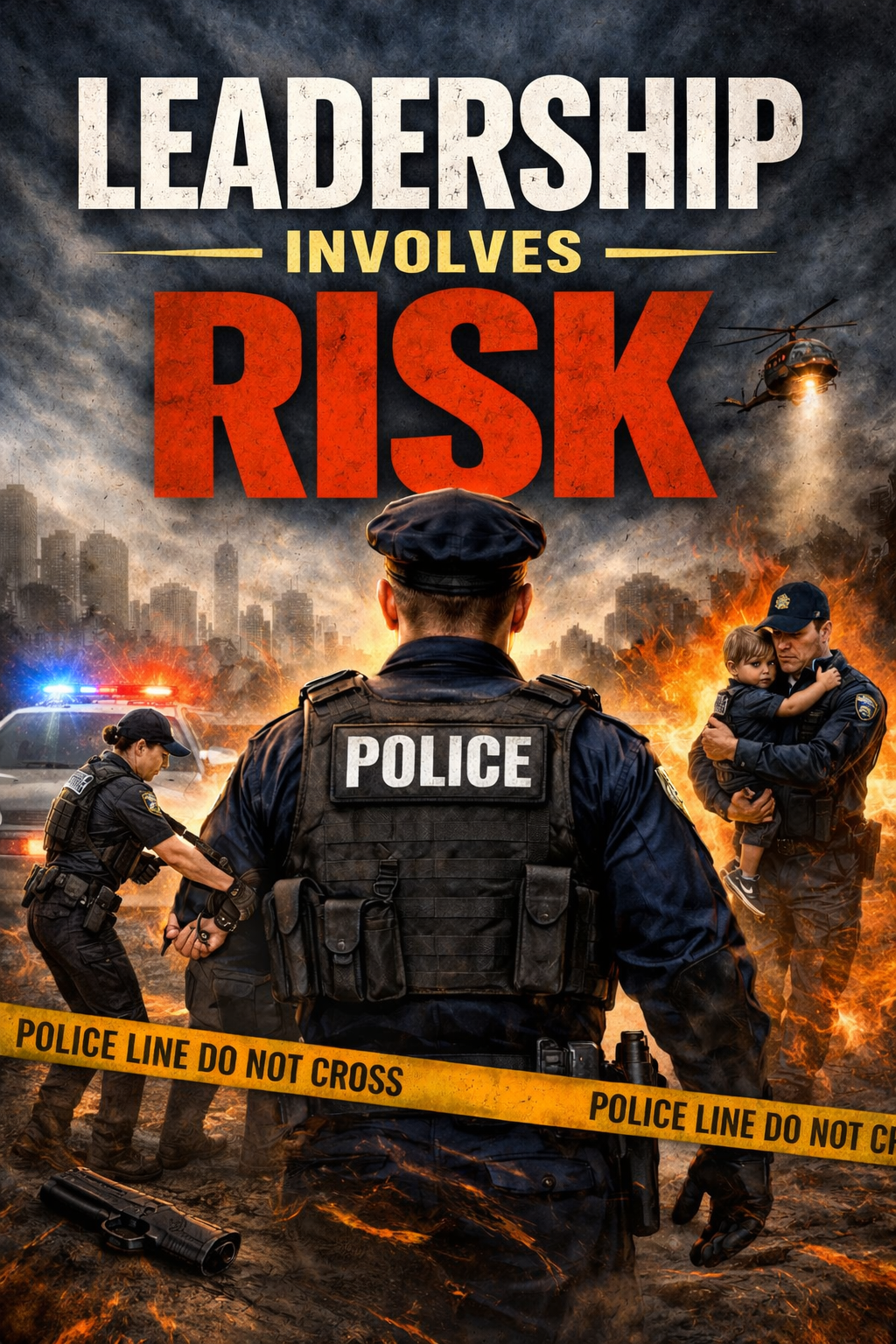
Leadership is inundated with risk, every hour of every day, in all sectors. In policing, legislative authorities and established policy are the ever-present guideposts, but occasionally policy just doesn’t apply. At times someone has to just make a decision to do something, or not, or they will fail the public they serve and the personnel it is their duty to lead. If it goes bad, time to own up, do damage control, learn from it and move forward. It always frightened me when I saw some at the senior executive level in policing think that supervisors and managers operate in a pristine little bubble where nothing should ever go wrong. Then when it did because some supervisor tried their best to make something work for all the right reasons, they wanted to pigeon-hole the person that took the risk. There were times during my own career when executives were not encouraged to take any risk either. In fact, taking risk was career risk in itself. Despite the best of intentions, if it went bad, the one ‘responsible’ be forever labelled as having failed. Even if the gamble went well, the jaundiced eyes from above would still forever look at them as being a potential liability. It became the “Oh, him. He’s the one that...” At times the daily decision making of high-level commanders would be second-guessed by those in the executive suites – some of whom had never really commanded anything. My buddy retired Chief Wayne Frechette used to describe these folks as: “They’ve never been out after dark on company time.” I know this same concept was alive in many other police services. Some at executive levels actually did serve in operational roles at some point but they never took a risk. Somehow, they were fortunate to skate through difficult situations through sheer luck as opposed to good decision-making and never developed any scar tissue along the way. They didn’t learn from failure – they survived by luck. They also were viewed by weak executives above them as being golden because there was never a milli-second of negativity around them. They were Teflon. But those that worked under their “command” (for lack of a better word) had no respect for them. They simply watched them walk around with coffee in hand, never leaving the office or making a decision. It wasn’t leadership, but it did pave the way to stardom from on high, for some. True leaders do take risks at times. Many I worked with and for did it all and did it well. They did so in the best interests of those they served and those they led, because it wasn’t about themselves, but was done in the service of those that placed their trust in them. Policy simply doesn’t fit every situation. It is most often a guide that anticipates most circumstances that employees will face, particularly the more common (high-frequency) ones. But it cannot predict every possible scenario. When that happens in policing, it can occur in very unlikely situations (low-frequency) that are incredibly high-risk. Supervisors cannot say “Sorry folks, the book doesn’t cover this one” and run away crying. They also don’t have time to tell bad guys, “Hey big fella, sit tight. We need to take a pause here and get the whiteboard out so we can have a group-think about how to stop your murderous rampage.” I think that many pseudo-leaders – far too many, are afraid to make risky decisions out of fear that an error will jeopardize their career. Instead, they risk their careers by not making decisions. Or as I like to say: “their fear of career-risk, risks their careers.” This can be fatal in the policing world. When a police supervisor shirks their responsibilities or quivers, sucks their thumb, and prays for the situation to go away, thankfully constables will come forward and do their best to get their teammates through it. Sometimes that ends well and when the supervisor emerges from their fear-induced coma, they will more often than not take credit for the success. But when the situation goes to hell-in-a-handbasket – despite best efforts, the pseudo-leader will document the risk-taking employee and add another bullet-point to their list of things they’ve done to “hold people accountable.” The panel at their next promotional interview will likely hear the false rendition proudly told. I hear examples of this practise from serving police officers across North America on a much too frequent basis. True leaders develop a culture of trust among those they lead that their suggestions and feedback are encouraged and valued. Their confidence that the leader wants their input encourages them to constantly analyze situations and give thought to what policy says and the options available when policy says nothing. That is good for the employee’s development and may save the leader’s hind-end and the continuity of the team on occasion when an employee steps forward in a crisis. Having said that, there will clearly be situations where there isn’t time for the whiteboard, and a decision needs to be made by the responsible “leader.” When it doesn’t work out, the real leader will step forward and be accountable. But when it does go well, the true leader will allow the light to shine on the team they have the honour to lead. In my view, we’re not seeing enough of that in North American policing. We need more genuine leaders at all levels of law enforcement organizations. Developing and promoting real leaders that can manage risk effectively is a must. Anything less fails everyone.
By Chris Lewis March 26, 2026
They used to be simply a "nice to have."