New Paragraph
I don’t profess to be an expert in anything in life but I do have a firm handle on the various aspects of policing, some more than others. As I provide analysis on “public safety” matters for Bell Media television and radio stations, I simply apply my decades of experience to the circumstances presented and provide commentary. I always assume that I don’t have the complete facts and/or assumptions that the police officers faced when they went into a scenario. I just attempt to bring context to the big picture – including a variety of possible factors that we may or may not know at a given point in time - and try to present those thoughts in a balanced way. Inevitably some will view my opinion as being too harsh or not critical enough in many situations. I accept that, but it is my opinion.
I spent most of my police career in leadership roles within the Tactical Operations and Major Crime Investigation areas of the Ontario Provincial Police (OPP). I was a member of those units, sections and bureaus at all ranks in my career, from constable up to the highest senior executive levels and then overall as commissioner. Most of my media interviews involve investigative and tactical matters. I’m not claiming to be an expert in these areas, but I do know this stuff well.
The horrific mass murder at the Robb Elementary School in Uvalde, Texas was beyond comprehension to everyone from the beginning. To most, it was also impossible to understand what appeared to be a slow and confusing police response that elicited many more questions than answers. Believe me, it’s also been difficult for many current or retired law enforcement personnel to rationalize the response – including me.
By way of background, ‘Tactical teams’ are groups of several to a dozen or so police officers that are highly trained and equipped to respond to high-risk events – like a barricaded person (lone gunman in a building); sniper; and/or hostage situation occurrences. Generally, they are committed to that work fulltime for a number of years and they are good at what they do.
I was a member of the London OPP Tactics and Rescue Unit (TRU) in the early 1980s and became the team leader in the mid 1980s. Then after working in major crime for several years, I was assigned to amalgamate all the OPP emergency response units under one bureau and was put in-charge of all the tactical units. We had hundreds of professionals responding to hundreds of dangerous calls in an immense and evolving landscape, 24/7. I saw a lot of changes over those years.
From the early days of tactical units in the 60s and 70s, the uniformed officers first on scene of a gun call would contain the situation; gather information; evacuate surrounding areas and await the arrive of the tactical team. Negotiations would be established, and tactical assault plans developed in the event that the shooter started to kill hostages. Then only tactical team members would enter the building until proven safe. If there were no hostages, the old “time, talk and tear gas” approach remained the most appropriate response.
But prior to the late 90s, “active shooters” in public places like theatres, concerts and schools were few and far between. In fact, the first one that really sticks out in my mind was in Columbine, Colorado in 1999. Before that tragedy, gunmen rampaging through public places and shooting numerous unknown potential victims wasn’t a big concern. The contain and negotiate approach still made total sense until then.
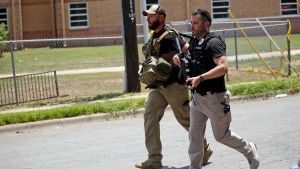
After Columbine and a few similar events, including the killing of several Amish girls at a rural schoolhouse in Pennsylvania in 2006, police developed an approach whereby uniformed officers would be trained and equipped to respond immediately during an active shooter situation to “stop the killing” and “stop the dying”, rather than wait for command personnel and tactical teams to respond. The belief was that a small team of officers (three or four, or less if necessary), with or without the presence of a supervisor, could aggressively move directly towards the sound of gunfire and neutralize the suspect to prevent the shooting of more victims and to save those already wounded. Although the name of the program varied here and there, it generally became known as Immediate Rapid Response (IRD). Some police departments also equipped police cruisers with additional “breaching” equipment to assist in forcing open fortified doors to enable access to the shooter and save precious time.
From a command perspective, the senior ranking officer on scene, which may only be a sergeant, assumes command of a gun call operation, which may include roadblocks; aviation; canine; explosive disposal; hostage negotiators and more. Eventually a more senior officer will attend that has been trained to command these incidents, to varying degrees depending on the size of the department and their resources. Each unit within the response group most often has a supervisor of the unit (tactical, negotiation, etc.) and they each report up to the incident commander. There should never be any doubt as to who the overall commander is.
After-action debriefings are held and documented after every operation so command/control, policy, equipment, communication and training issues can be improved going forward. On occasion that may include command and communication flaws being identified that necessitates personnel changes being made – including incident commanders.
Uvalde was an “Active Shooter” incident and not a barricaded person or hostage situation. Officers entered that school shortly after the shooter and videos show that shots were fired by the killer while they were in the building. They knew where he was. They knew children were dead and likely more were injured and dying on the floor. Police were even talking to hiding children by cell phone. This was NOT a situation where police could afford to waste another minute waiting for a full tactical team response and or to negotiate with the gunman. It required an IRD response, and they had more than enough personnel to do it. Yes, it would be high-risk, and some officers could be injured or killed. That’s awful but protecting and saving lives is what police do. That’s their primary responsibility. There are varying reports regarding the IRD training status of the officers from the several agencies that were represented, but I cannot imagine that they weren’t in my wildest dreams. An IRD should have occurred within minutes.
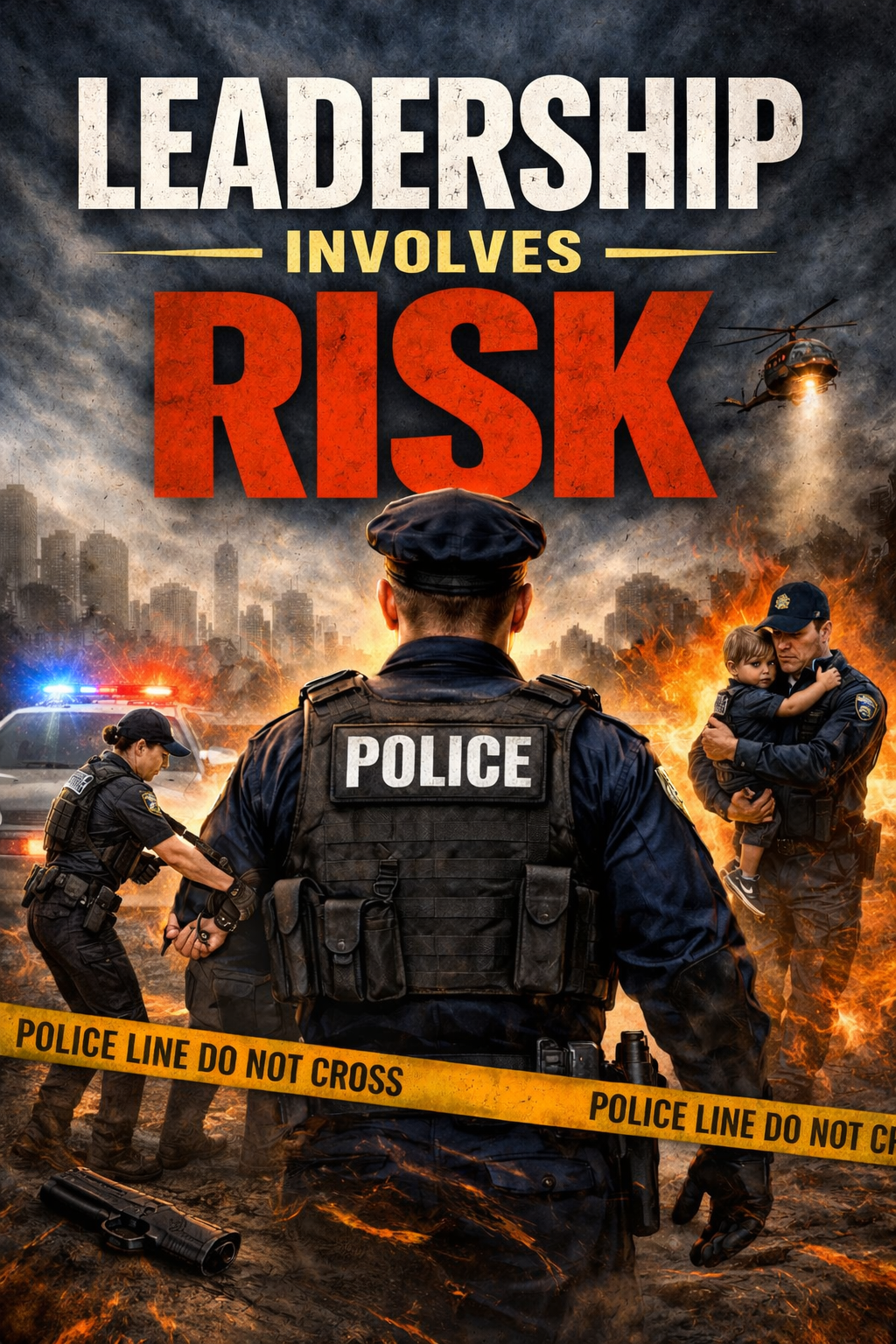
The chief of the district school police department was on scene and it was his jurisdiction. He doesn’t believe he was in charge. Who did he think was? Life or death decisions needed to be made in the best interests of those children and direction given to the officers there. The leader of the police of jurisdiction is always in-charge unless an agreement exists to have someone with more expertise take over, and if so, that is widely communicated. In the Uvalde tragedy there was a complete void of leadership.
State Police; Border Patrol; Sheriff’s Office and other police agencies had officers in that school. When the lack of leadership became apparent, somebody needed to step up and take charge but no one did. How many more hours would it have taken before a real leader said ‘enough, you guys cover here, here and here, and Billy, Caren, Fred and I are going in.”
It’s apparent that no plan existed for responding to such calls at schools in that district. Therefore, plans weren’t exercised, regularly updated and communicated to all players. That was a tremendous shortcoming.
There was obviously a total lack of operational communication. The chief that should have been in command didn’t even know who was in charge. The video of the officers in the hall as the classroom door was breached, showed an obvious reaction of surprise that would indicate that they didn’t know the breaching was even occurring until it did. That it itself is pretty telling.
The entire police response was a failure of epic proportions.
On July 17th the Texas House Committee Review members declared that “the entirety of law enforcement…shares systemic responsibility…” and I absolutely agree.
I hope that more in-depth studies will be conducted by experts and panels at various levels in Texas, and that additional details and comprehensive recommendations emerge. They must.
Because in my view from afar, law enforcement failed the children, the teachers, families, the community, and the law enforcement profession on that fateful day. Something has to change there and all jurisdictions need to reflect on and learn from those mistakes.